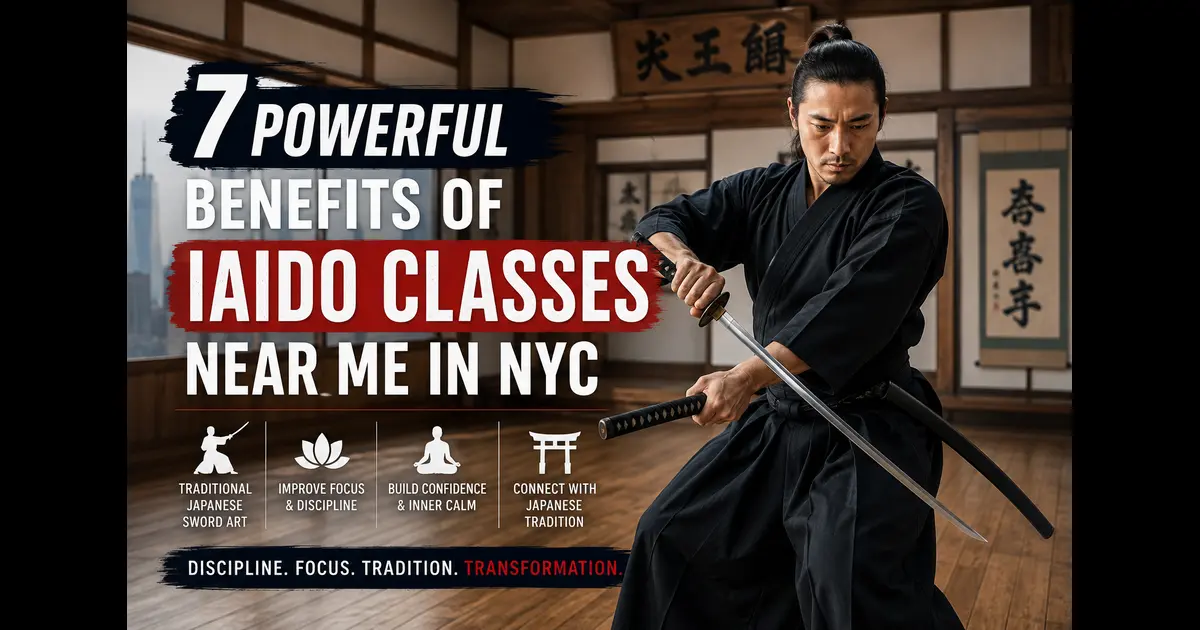
If you have been searching for Iaido Classes Near Me, you may be curious about what happens inside a traditional Japanese sword-art dojo. Unlike the fast-paced action often shown in movies, Iaido is a disciplined martial art centered on controlled movement, concentration, posture, timing, and the careful practice of drawing and returning a sword.
For people exploring Iaido New York, understanding the art before choosing a dojo can make the search much easier. Iaido training is not simply about learning how to handle a sword. It involves learning traditional forms, developing body awareness, practicing etiquette, and gradually improving mental focus.
New York City also offers a wide martial arts community, from Japanese sword arts to karate and other traditional disciplines. If you are comparing Shotokan Karate New York programs with Iaido, knowing the differences can help you choose training that matches your interests and goals.
Whether you are completely new to Japanese martial arts or already have experience, this guide explains what you can expect from Iaido classes and what to consider when selecting a martial arts school in New York City.
What Are Iaido Classes Near Me Actually Like?
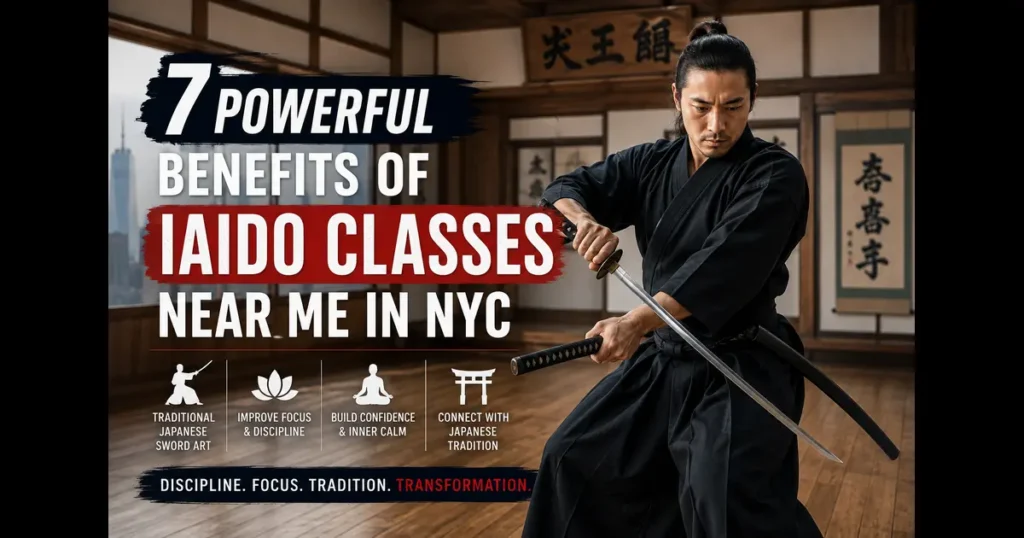
A search for Iaido Classes Near Me can produce many different results, but not every school approaches Iaido in exactly the same way.
Iaido is a Japanese martial art traditionally focused on the controlled drawing, handling, and returning of a sword. Training generally involves practicing established forms, often called kata. Students learn sequences of movements that require coordination between the body, hands, eyes, posture, breathing, and footwork.
A typical beginner class may involve:
- Bowing and traditional dojo etiquette
- Warm-up and mobility exercises
- Basic posture and footwork
- Learning fundamental sword movements
- Practicing individual sections of kata
- Repeating complete forms
- Instructor demonstrations and corrections
- Cool-down and closing etiquette
The pace can initially feel slow compared with more competition-oriented martial arts. That is intentional. Students are expected to develop accuracy and control before worrying about speed.
The goal is not to perform dramatic sword movements. Instead, students gradually learn how small changes in posture, timing, balance, and movement can significantly affect the quality of a technique.
Understanding Iaido New York Training
When researching Iaido New York, it is useful to understand that different organizations and instructors may have different traditions, affiliations, teaching methods, and training expectations.
Some schools emphasize a particular Japanese sword-art curriculum, while others may offer Iaido alongside related disciplines. Before joining, look at the school’s background and determine what style or organization it teaches.
For beginners, the instructor can be especially important.
A good instructor should be able to explain movements clearly, demonstrate techniques safely, and provide corrections without expecting a new student to understand everything immediately.
You should also pay attention to the atmosphere of the dojo. Traditional martial arts training often includes etiquette and structured behavior. Students may be expected to bow, maintain discipline, listen carefully, and respect training partners and instructors.
This environment can be valuable for someone who enjoys structured learning.
It also means Iaido may appeal to people who want a martial art that combines physical movement with concentration and traditional practice.
Iaido vs. Shotokan Karate New York: What’s the Difference?
Someone searching for Shotokan Karate New York may also come across Iaido while researching Japanese martial arts. Although both have Japanese traditions, their training experiences can be quite different.
Shotokan Karate generally focuses on unarmed techniques such as punches, kicks, blocks, stances, movement, and combinations. Depending on the school, students may also participate in partner drills, sparring, kata, and competitions.
Iaido, on the other hand, focuses heavily on sword-related forms and controlled movements.
Here is a simplified comparison:
| Training Area | Iaido | Shotokan Karate |
|---|---|---|
| Primary focus | Japanese sword forms | Unarmed martial arts |
| Equipment | Training sword or appropriate practice equipment | Usually no weapon required |
| Main movements | Drawing, handling, cutting motions and returning the sword | Punches, kicks, blocks and stances |
| Training style | Highly controlled and form-oriented | Technique, kata and partner practice |
| Competition | Often less competition-focused | Competition may be offered |
| Mental focus | Concentration, precision and awareness | Discipline, timing, technique and physical conditioning |
Neither discipline is automatically better than the other. The right choice depends on what you want from martial arts training.
If traditional Japanese sword practice interests you, Iaido may be worth exploring. If you prefer unarmed techniques, athletic movement, and karate kata, a Shotokan Karate New York program may be more suitable.
What to Look for in Martial Arts Schools in New York City
There are many Martial Arts Schools in New York City, so choosing the right one requires more than simply selecting the first result in a search engine.
Start by researching the school’s instructors, curriculum, training environment, schedule, location, and beginner policies.
1. Instructor Experience
Look for instructors who can clearly explain their training background and the style they teach. An experienced teacher should be comfortable working with complete beginners.
2. Beginner-Friendly Classes
Ask whether beginners can start without previous martial arts experience.
You should not feel pressured to already understand Japanese terminology or advanced techniques before attending your first class.
3. Safety Standards
Sword-related martial arts require particularly careful instruction. Ask what equipment beginners use and how the school introduces students to training safely.
4. Training Atmosphere
If possible, observe a class. Look at how instructors interact with students and how students treat each other.
A respectful, focused environment is generally a good sign.
5. Schedule and Location
Even an excellent dojo is difficult to benefit from if its schedule does not fit your routine.
When comparing Martial Arts Schools in New York City, consider travel time and whether the available class schedule makes regular attendance realistic.
Practical Tips Before Your First Iaido Class
If you have found Iaido Classes Near Me and are preparing for your first class, a little preparation can make the experience more comfortable.
Wear Comfortable Clothing
Ask the dojo what clothing is appropriate for an introductory class. Some schools allow beginners to start in simple athletic clothing before purchasing a formal uniform.
Arrive Early
Arriving early gives you time to find the training space, introduce yourself, and learn basic etiquette without feeling rushed.
Listen Carefully
Iaido involves precise movements. Instead of trying to copy everything immediately, pay attention to the instructor’s explanation and practice one movement at a time.
Don’t Chase Speed
Beginners often assume that faster movement means better technique. In traditional practice, accuracy and control are generally more important during the learning process.
Ask Questions Respectfully
If you don’t understand a movement, ask the instructor. A good teacher would rather correct a misunderstanding early than allow an incorrect movement to become a habit.
Be Patient
Traditional martial arts are learned through repetition. You may not understand every movement during your first few classes, and that is completely normal.
Common Mistakes Beginners Make in Iaido
Searching for Iaido Classes Near Me is easy. Understanding how to train effectively takes more time.
Here are several common beginner mistakes to avoid.
Trying to Move Too Quickly
Speed can make movements look impressive, but rushing can lead to poor posture, inaccurate footwork, and reduced control.
Focus on learning the correct movement first.
Focusing Only on the Sword
The sword is only one part of the movement. Footwork, posture, balance, hands, breathing, awareness, and timing all contribute to the technique.
Comparing Yourself With Advanced Students
Experienced students have usually spent a significant amount of time practicing. Comparing your first few classes with their performance can create unnecessary frustration.
Instead, focus on your own progress.
Ignoring Dojo Etiquette
Traditional martial arts often place considerable importance on respect and etiquette.
Learn the school’s basic customs and follow the instructor’s guidance.
Buying Equipment Too Early
New students sometimes purchase equipment before understanding what their school requires.
It is usually better to ask the instructor which equipment is appropriate before buying anything.
Expecting Movie-Style Sword Fighting
Cinema often portrays swordsmanship as fast, dramatic combat. Traditional Iaido training is generally much more structured and controlled.
Understanding this difference can help you approach your first class with realistic expectations.
How Iaido Can Develop More Than Physical Skills
One reason people explore Iaido New York programs is that the practice can involve more than physical movement.
Repeating precise forms requires attention to detail. Students have to remember sequences, maintain posture, coordinate movements, and remain focused throughout the exercise.
Over time, this type of practice may encourage qualities such as:
- Patience
- Concentration
- Body awareness
- Discipline
- Coordination
- Attention to detail
- Respect for training traditions
The experience can be particularly interesting for students who prefer a structured martial art rather than purely fitness-oriented exercise.
However, individual experiences differ. The benefits you receive will depend on the instructor, curriculum, consistency of practice, and your own approach to training.
FAQ About Iaido Classes Near Me
What should I expect from Iaido Classes Near Me?
Expect structured instruction, traditional etiquette, basic movement training, and repeated practice of established forms. Beginners generally learn fundamental skills before progressing to more complex movements.
Do I need previous martial arts experience to start Iaido?
Usually, previous martial arts experience is not necessary for an introductory class. Ask the specific dojo about its beginner requirements before attending.
Is Iaido the same as Japanese sword fighting?
Not exactly. Iaido is a traditional Japanese martial art centered around formalized sword-related forms and controlled practice. It should not be confused with movie-style sword combat.
Is Iaido better than Shotokan Karate?
Neither is universally better. Shotokan Karate New York programs and Iaido schools offer different training experiences. Your choice should depend on whether you prefer unarmed karate techniques or traditional sword-art practice.
How do I choose between Martial Arts Schools in New York City?
Compare the instructor’s experience, style or organization, beginner programs, safety practices, class schedule, location, costs, and overall training environment.
What equipment do beginners need?
This varies by school and training stage. Beginners should ask the instructor what equipment is appropriate before purchasing anything.
Can Iaido be practiced alongside another martial art?
Depending on the training schedule and instructor guidance, some students practice multiple martial arts. However, beginners should make sure they can maintain consistent attendance and learn each discipline properly.
Conclusion: Finding the Right Iaido Classes Near Me
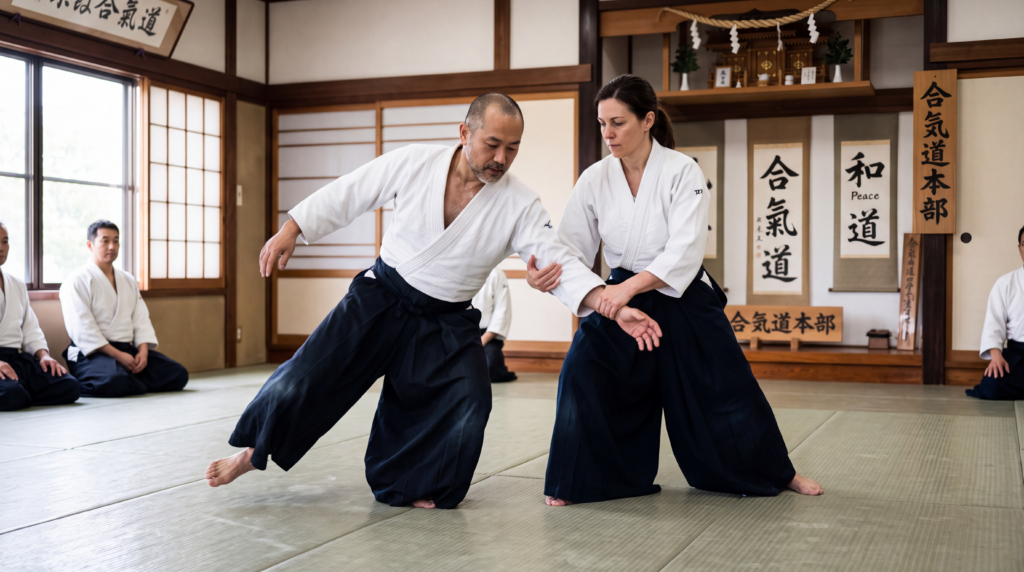
Finding the right Iaido Classes Near Me is about more than finding a convenient location. The quality of instruction, training environment, curriculum, safety standards, and overall approach to traditional Japanese martial arts can have a major impact on your experience.
For someone interested in Iaido New York, visiting a dojo, observing a class, speaking with an instructor, and asking about beginner training can provide valuable insight before committing.
If you are also considering Shotokan Karate New York, compare the two disciplines based on your personal interests. Iaido may suit someone drawn to traditional sword forms, precision, and controlled practice, while karate may appeal more to someone interested in unarmed techniques, dynamic movement, and kata.
With many Martial Arts Schools in New York City, taking the time to research your options can help you find a training environment where you can learn consistently and develop your skills step by step.