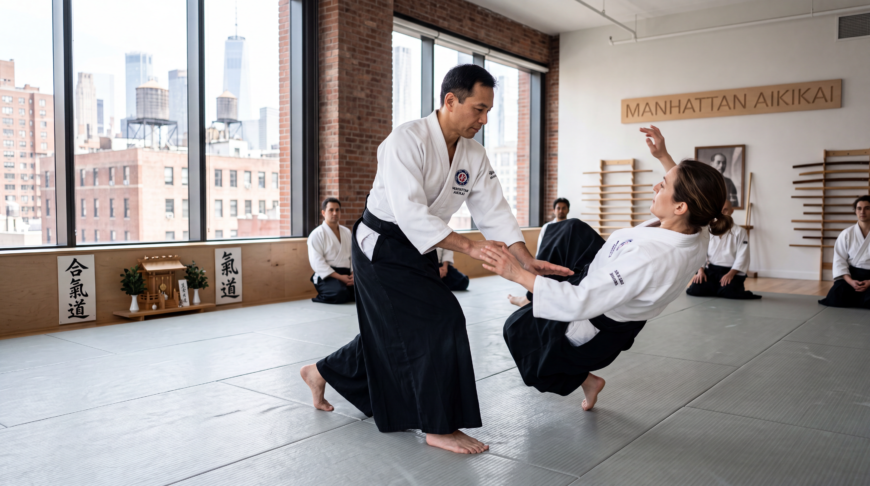
For many adults, beginning a martial arts journey isn’t about preparing for a fight—it’s about preparing for life. Between demanding careers, family responsibilities, personal stress, and the constant pace of modern living, many New Yorkers seek an activity that improves both physical health and mental well-being. This is exactly why Aikido Classes NYC continue to attract adults from all walks of life.
Unlike many combat sports that emphasize competition or aggression, Aikido focuses on harmony, balance, awareness, and effective self-defense without unnecessary violence. Students learn to stay calm under pressure, move efficiently, and develop the confidence to handle difficult situations both on and off the mat.
Whether you’re exploring Martial Arts NYC Adults programs for fitness, searching for the Best Self Defense Classes NYC, or comparing Aikido Schools in Queens NY, understanding what makes Aikido unique can help you choose a practice that supports lifelong personal growth.
What Makes Aikido Different?
Aikido is a modern Japanese martial art founded by Morihei Ueshiba. Rather than relying on brute force, Aikido teaches practitioners how to redirect an opponent’s energy using leverage, timing, balance, and body mechanics.
This philosophy creates a training environment where students learn:
- Efficient movement
- Proper posture
- Situational awareness
- Emotional control
- Respect for training partners
- Practical self-defense principles
The objective isn’t to overpower another person but to neutralize conflict while minimizing harm whenever possible. This mindset makes Aikido especially attractive to adults who want meaningful martial arts training without the pressure of tournaments or competitive fighting.
Why More Adults Are Choosing Aikido in NYC
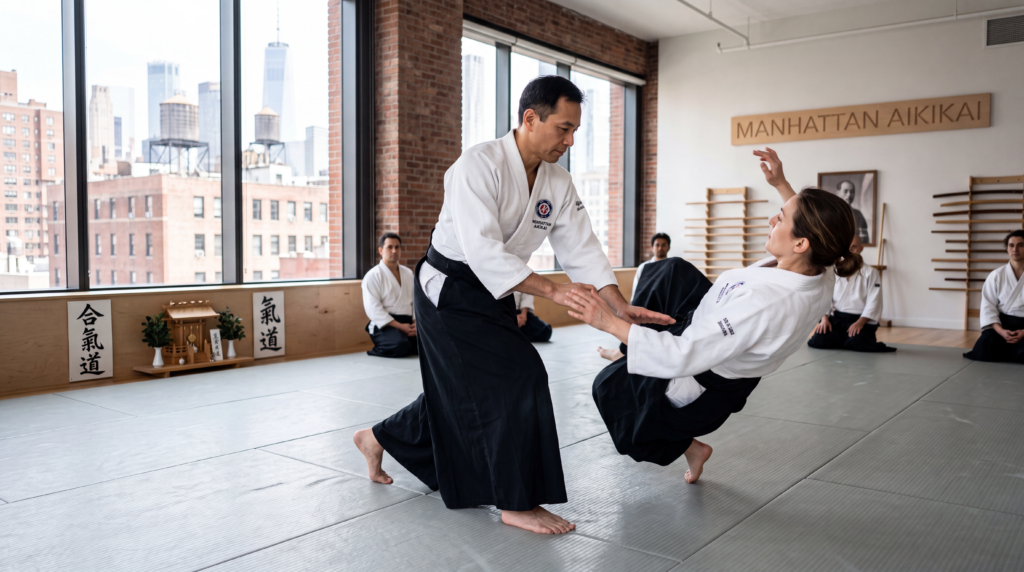
Life in New York City demands resilience. Busy commutes, stressful work environments, crowded public spaces, and constant decision-making can take a toll on both physical and mental health. Adults often search for activities that combine exercise with stress relief and personal development. That explains why interest in Martial Arts NYC Adults programs has steadily grown.
Adults appreciate that Aikido provides:
- Full-body exercise
- Low-impact movement
- Practical self-defense
- Mental clarity
- Stress management
- Community support
- Lifelong learning opportunities
Unlike activities that become repetitive over time, Aikido continuously challenges students through increasingly refined techniques and principles.
Building Real Confidence Instead of False Confidence
Confidence isn’t about believing you’ll never face challenges. Real confidence comes from knowing you can remain calm, think clearly, and respond effectively when difficulties arise. Every session in Aikido Classes NYC reinforces this mindset.
Students gradually become comfortable with:
- Falling safely
- Recovering quickly
- Solving movement challenges
- Practicing under controlled pressure
- Working with partners of different sizes and experience levels
Over time, they begin trusting their own abilities. This confidence often carries into everyday situations, including:
- Workplace presentations
- Difficult conversations
- Public speaking
- Leadership roles
- Personal relationships
Instead of reacting emotionally, practitioners learn to stay composed and make thoughtful decisions.
Discipline That Extends Beyond the Dojo
Discipline is often misunderstood as strict obedience. In martial arts, discipline is better described as consistent self-improvement.
Every class reinforces habits such as:
- Arriving on time
- Practicing regularly
- Respecting instructors
- Supporting training partners
- Paying attention to detail
- Maintaining focus
These routines naturally translate into professional and personal life. Many students report improvements in:
- Productivity
- Time management
- Goal setting
- Personal accountability
- Patience
Unlike temporary motivation, discipline creates sustainable progress.
Aikido Teaches Resilience Through Practice
Resilience isn’t built during easy moments. It develops when people learn how to recover after setbacks.
In Aikido, students constantly experience small challenges:
- Learning unfamiliar techniques
- Correcting mistakes
- Practicing difficult movements
- Working with different partners
- Improving through repetition
Instead of becoming discouraged, students discover that progress comes from persistence. This lesson applies everywhere. Career setbacks. Business challenges. Family responsibilities. Unexpected life changes. Rather than avoiding adversity, practitioners develop the confidence to work through it.
Practical Self-Defense Without Aggression
Many adults searching for the Best Self Defense Classes NYC want practical skills without encouraging violence. Aikido offers a balanced approach.
Students learn:
- Escaping grabs
- Controlling distance
- Maintaining balance
- Redirecting force
- De-escalating confrontation
- Safe falling techniques
Equally important, instructors emphasize awareness and conflict avoidance before physical techniques become necessary. The best self-defense often begins with recognizing danger early and avoiding unnecessary conflict.
Physical Benefits That Support Long-Term Health
Unlike high-impact sports that may become difficult with age, Aikido emphasizes efficient body movement.
Benefits often include:
- Improved Flexibility: Regular stretching and movement increase joint mobility.
- Better Balance: Students continuously practice maintaining stability while moving in multiple directions.
- Stronger Core: Most techniques engage abdominal and back muscles, improving posture and coordination.
- Functional Strength: Rather than isolating muscles, Aikido develops whole-body movement patterns useful in everyday activities.
- Cardiovascular Health: Continuous movement during class improves endurance without excessive strain.
Many adults appreciate that Aikido can remain part of their fitness routine well into later stages of life.
Mental Health Benefits of Aikido
Modern life often produces chronic stress. Aikido provides a healthy outlet by requiring complete attention to movement and technique.
During training, students naturally disconnect from:
- Emails
- Social media
- Workplace pressure
- Daily distractions
This focused practice creates a form of active mindfulness. Many practitioners experience:
- Reduced stress
- Better emotional regulation
- Improved concentration
- Greater patience
- Better sleep quality
The dojo becomes a place where the mind can reset while the body remains active.
Why Adults Appreciate Non-Competitive Training
Not everyone enjoys competition. Many adults simply want to improve themselves without worrying about winning medals or tournaments. One reason Aikido Classes NYC appeal to professionals, parents, and older beginners is the collaborative training environment.
- Students help one another improve.
- Training partners alternate roles.
- Everyone learns together.
This supportive atmosphere reduces intimidation while encouraging continuous development.
Learning to Communicate Through Movement
Aikido requires constant interaction with training partners.
Students learn:
- Timing
- Trust
- Respect
- Communication
- Cooperation
Rather than viewing another person as an opponent, practitioners learn how to work together safely. These interpersonal skills often strengthen relationships outside the dojo as well.
Why Beginners Shouldn’t Worry About Age
One of the biggest misconceptions about martial arts is that people must start as children.
In reality, many students begin Aikido in their:
- 30s
- 40s
- 50s
- 60s
Because Aikido emphasizes technique over athleticism, adults can progress successfully regardless of previous sports experience. Good instructors adapt lessons to each student’s ability. Consistency matters far more than age.
Choosing the Right Aikido School
Not every dojo offers the same learning experience. When evaluating Aikido Schools in Queens NY, consider several important factors.
Qualified Instructors
Look for experienced teachers who emphasize safety, technical precision, and student development.
Beginner-Friendly Programs
A welcoming environment encourages long-term success.
Safe Training Culture
Respect between instructors and students should always be evident.
Clean Facilities
A well-maintained dojo reflects professionalism and care.
Class Schedule
Flexible scheduling makes consistent attendance easier for working adults.
Community
Strong schools foster supportive relationships among students rather than unhealthy competition.
Why Queens Has Become a Popular Martial Arts Destination
Queens is one of New York City’s most culturally diverse boroughs, making it home to many respected martial arts communities.
Several established Aikido Schools in Queens NY attract students from:
- Queens
- Brooklyn
- Manhattan
- Long Island
- The Bronx
Many schools emphasize traditional Japanese values while maintaining modern, welcoming training environments for adults of every experience level.
Aikido Supports Professional Success
The lessons learned on the mat often transfer directly into professional life.
Students frequently notice improvements in:
- Leadership: Calm decision-making builds trust among coworkers.
- Problem Solving: Aikido encourages adapting to changing situations rather than resisting them.
- Emotional Intelligence: Remaining composed under pressure improves communication.
- Confidence: Prepared individuals often speak more clearly and lead more effectively.
These qualities benefit professionals across nearly every industry.
The Importance of Consistency
Transformation doesn’t happen overnight. Most long-term practitioners improve because they continue showing up. Even attending class two or three times each week creates noticeable progress over months and years. Each lesson builds upon previous knowledge. Small improvements eventually become lasting habits.
Building Lifelong Friendships
Many adults initially join Aikido seeking exercise. They stay because of the community. Training together creates mutual respect. Students celebrate each other’s progress. Senior practitioners mentor beginners. The dojo becomes a place where friendships naturally develop through shared learning and encouragement.
A Martial Art for Every Stage of Life
One of Aikido’s greatest strengths is its adaptability.
- Young adults appreciate its physical challenges.
- Professionals value stress management.
- Parents enjoy learning practical self-defense.
- Older adults benefit from balance, coordination, and mobility.
Unlike activities limited by age or competition, Aikido supports lifelong learning. Every stage of life offers new opportunities for growth.
Frequently Asked Questions
Is Aikido effective for beginners?
Yes. Most students begin with no prior martial arts experience. Classes gradually introduce techniques in a safe, supportive environment.
Can adults start Aikido after 40?
Absolutely. Many practitioners begin in their 40s, 50s, or later. Consistency and proper instruction are more important than age.
Is Aikido only about self-defense?
No. While Aikido teaches practical defensive techniques, it also develops confidence, discipline, resilience, balance, coordination, and emotional control.
How often should adults train?
Training two to three times per week provides steady progress while allowing adequate recovery.
Is Aikido physically demanding?
Classes provide a full-body workout, but instructors usually adapt exercises to different fitness levels and physical abilities.
Final Thoughts
The value of Aikido extends far beyond learning how to defend yourself. It is a lifelong practice that strengthens both body and mind while encouraging patience, discipline, resilience, and respect. For adults navigating the demands of modern life, the benefits often reach well beyond the dojo, improving confidence at work, composure in stressful situations, and overall physical well-being.
Whether you’re searching for Aikido Classes NYC to begin a healthier lifestyle, exploring Martial Arts NYC Adults programs that emphasize personal growth, looking for the Best Self Defense Classes NYC, or comparing Aikido Schools in Queens NY, choosing a reputable dojo can be the first step toward lasting transformation.
With consistent practice, you’ll gain far more than self-defense skills—you’ll develop the confidence to face challenges, the discipline to keep improving, and the resilience to thrive in every stage of life.