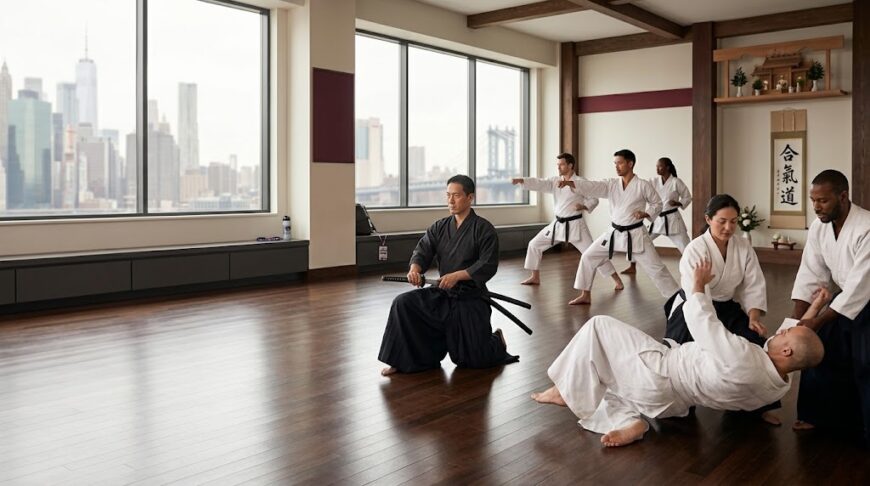
Anime NYC can be an exciting experience for anyone interested in Japanese culture, martial arts, samurai stories, and action-packed anime. But when the convention ends, that interest does not have to end with it.
For many visitors, Anime NYC can be the perfect reason to explore Martial Arts Schools in New York City and experience the discipline behind the techniques seen in movies, shows, and games.
Real martial arts are very different from anime. Training is built around patience, repetition, technique, respect, and steady improvement. Whether you are interested in Aikido, Iaido, or traditional karate, New York City offers opportunities to explore different Japanese martial arts and find a training environment that suits you.
If you are considering starting martial arts for the first time, this guide will help you understand what to look for, what different disciplines offer, and how to choose a school that feels right for you.
Why Try Martial Arts After Anime NYC?
Anime often introduces people to Japanese martial arts through memorable characters and dramatic training scenes. While those stories are fictional, they can inspire a genuine interest in learning about the traditions behind them.
Real martial arts training is usually much more structured.
Beginners may spend their first classes learning basic movements, posture, balance, footwork, etiquette, and simple techniques. Progress comes through regular practice rather than trying to master everything immediately.
Training can also provide several practical benefits, including:
- Better coordination and body awareness
- Improved concentration
- A structured physical activity
- Opportunities to learn Japanese martial arts traditions
- Greater consistency and discipline
- A chance to meet other people who enjoy martial arts
- A rewarding long-term hobby
You do not need previous martial arts experience to begin. A good beginner program should introduce techniques gradually and give new students time to become comfortable with the training environment.
Anime can provide the inspiration, but real training gives you the opportunity to understand the discipline behind what you have watched.
Martial Arts Schools in New York City: Finding the Right Style
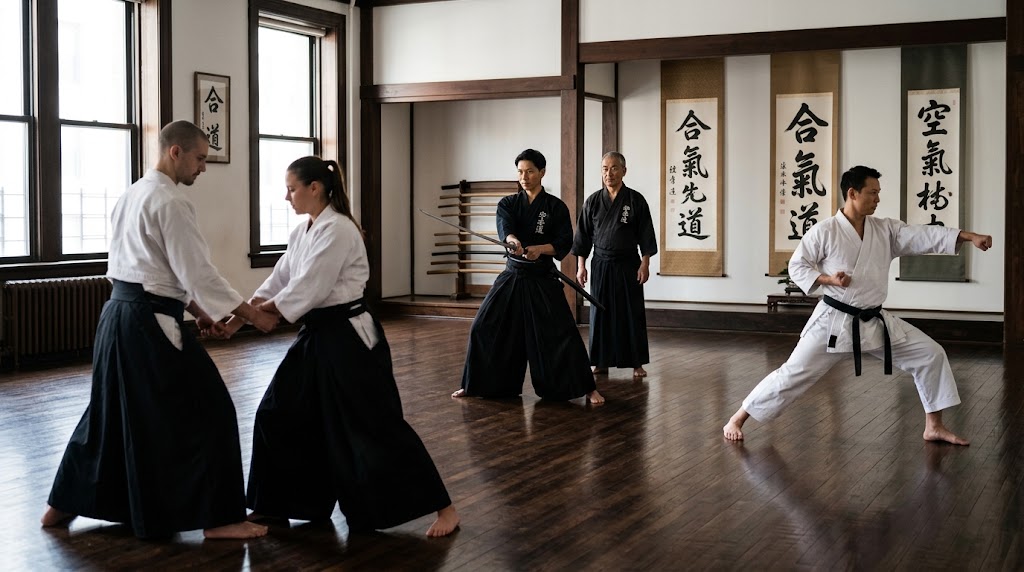
New York City has a diverse martial arts community, so choosing a discipline can initially feel overwhelming.
The first step is to think about what interests you most.
Some people enjoy traditional striking techniques. Others are fascinated by Japanese sword arts. Some prefer flowing movements and partner exercises, while others enjoy highly structured training and forms.
When comparing Martial Arts Schools in New York City, consider your personal goals, schedule, location, and preferred training style.
For example, Aikido may appeal to someone interested in balance, movement, timing, and partner-based practice. Iaido can attract students fascinated by Japanese sword traditions and precise forms. Shotokan Karate may be a good fit for someone who enjoys structured practice involving traditional karate techniques.
There is no single martial art that is perfect for everyone.
The best choice is usually the one that matches your interests and motivates you to keep learning.
Aikido Classes NYC: Learn Balance, Movement, and Timing
If you are searching for Aikido Classes NYC, you may be interested in a Japanese martial art that emphasizes movement, balance, timing, and controlled techniques.
Aikido training commonly involves practicing with partners. Students learn how to move efficiently, maintain balance, understand distance, and perform techniques in a controlled environment.
For beginners, the learning process can be gradual.
Early classes may focus on fundamental movements and basic principles before students progress to more advanced techniques.
Aikido may appeal to people who enjoy:
- Traditional Japanese martial arts
- Partner-based training
- Controlled movement
- Coordination and balance
- Non-competitive practice
- Japanese culture and martial arts philosophy
It is also worth remembering that real Aikido training does not look exactly like martial arts scenes in anime or movies. The focus is generally on learning principles and techniques through repeated practice.
If you are considering Aikido, visit a school when possible and observe how instructors work with beginners. A friendly and respectful environment can make learning much more enjoyable.
Iaido Classes Near Me: Exploring Japanese Sword Traditions
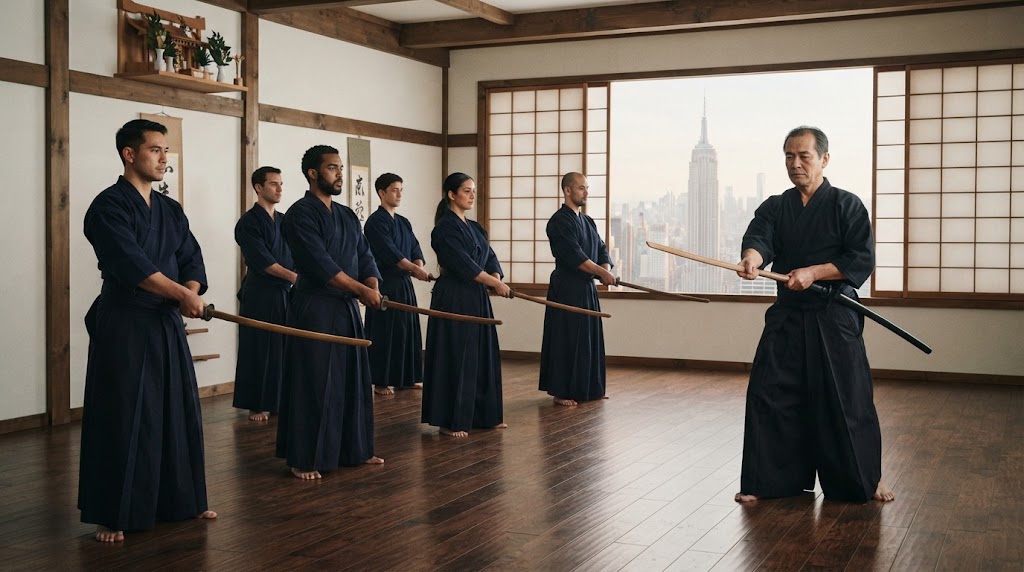
For anime fans fascinated by samurai, Japanese swords, and traditional swordsmanship, Iaido can be an especially interesting discipline.
When people search for Iaido Classes Near Me, they are often looking for a way to study Japanese sword-related traditions through structured practice.
Iaido focuses on precise movements associated with drawing, handling, and returning a Japanese sword as part of established forms. The practice emphasizes concentration, posture, precision, timing, control, and etiquette.
It is important to understand that Iaido is not simply about learning dramatic sword-fighting movements.
Training is usually methodical and detail-oriented. Beginners learn fundamental movements and forms before progressing to more complex material.
Iaido may be a good choice if you enjoy:
- Japanese history and culture
- Samurai traditions
- Precision and concentration
- Repetition and technical practice
- Structured learning
- Traditional martial arts
If you want to try Iaido, ask the school what beginners should bring and what equipment is appropriate. Follow the instructor’s guidance, especially regarding training equipment and safety.
Shotokan Karate New York City: Build Strong Fundamentals
Another traditional Japanese martial art worth exploring is Shotokan Karate.
People searching for Shotokan Karate New York City may be interested in a structured style of karate that places considerable importance on fundamentals, technique, discipline, and consistent practice.
Beginners may learn basic stances, punches, kicks, blocks, combinations, forms, and controlled partner exercises.
One of the interesting aspects of karate is how much detail can exist within a seemingly simple movement.
A strong stance requires balance. A basic technique requires coordination. Proper movement requires timing and control.
Over time, students can develop a better understanding of how these fundamentals connect.
When comparing Shotokan programs, look beyond the style name itself. Different schools can have different teaching methods, schedules, class structures, and training environments.
If possible, attend an introductory class or observe a session before making a long-term commitment.
How to Choose Martial Arts Schools in New York City
Finding the right school is just as important as choosing the right martial art.
Two schools teaching the same discipline can feel completely different. One might have a highly traditional atmosphere, while another may have a more relaxed beginner-friendly approach.
Here are some practical factors to consider.
Visit the School
If possible, visit the training facility before signing up.
Observe a class and pay attention to the atmosphere. Are instructors respectful and clear? Do experienced students treat beginners appropriately?
Your first impression can tell you a lot.
Ask About Beginner Programs
Find out whether the school offers classes specifically designed for beginners.
Ask how new students are introduced to techniques and whether they can attend an introductory session.
Check the Schedule
A great school is not very useful if its class schedule does not fit your routine.
Look for classes that you can realistically attend consistently.
Location also matters. A convenient school can make it easier to maintain your training routine.
Understand the Training Philosophy
Ask what the school emphasizes.
Some programs focus heavily on traditional martial arts and cultural practices. Others emphasize competition, fitness, practical application, or a combination of approaches.
Understanding this before joining can prevent disappointment later.
Look at the Training Environment
A good martial arts school should maintain a respectful and appropriate training environment.
Beginners should be able to learn without feeling embarrassed for making mistakes.
Practical Tips for Your First Martial Arts Class
Your first class can feel unfamiliar, especially if you have never stepped into a dojo before.
A little preparation can make the experience much easier.
Arrive early. Give yourself enough time to find the training area and introduce yourself to the instructor.
Ask about clothing. Different schools have different requirements for beginner classes.
Listen carefully. Martial arts involve technique and coordination, so following instructions is more important than trying to move quickly.
Do not worry about perfection. Everyone was a beginner once.
Ask questions when appropriate. If you do not understand a movement, ask the instructor for clarification.
Respect the training environment. Follow the school’s etiquette and observe how experienced students behave.
Focus on fundamentals. Basic movements may seem simple, but they form the foundation for more advanced techniques.
Most importantly, give yourself time.
You are not expected to become highly skilled after one class. The purpose of your first session is to experience the training and decide whether the discipline is something you want to continue exploring.
Common Mistakes Beginners Should Avoid
Starting martial arts can be exciting, but beginners sometimes make mistakes because they expect progress to happen immediately.
Trying to Learn Too Fast
Anime and movies often make advanced techniques look effortless.
Real martial arts require repetition. Trying to rush through basic movements can make future techniques harder to learn.
Comparing Yourself With Experienced Students
Someone who has trained for several years will naturally look more comfortable than someone attending their first class.
Do not use experienced students as a measurement of your own ability.
Focus on understanding the next technique and improving gradually.
Choosing a School Only Because It Looks Impressive
A modern facility or impressive promotional video does not necessarily mean the school is the right fit.
Instructor quality, training culture, schedule, and beginner support are much more important.
Expecting Instant Results
Martial arts are learned over time.
Your first few classes should be viewed as the beginning of a learning process rather than a test of how quickly you can master techniques.
Ignoring Etiquette
Traditional Japanese martial arts often have specific etiquette and customs.
If you are unfamiliar with them, observe what experienced students do and ask the instructor when necessary.
How Anime and Real Martial Arts Can Work Together
There is nothing unusual about discovering martial arts through anime.
Fiction can introduce people to Japanese history, samurai culture, martial arts concepts, and traditions they may never have explored otherwise.
The important thing is understanding the difference between entertainment and real training.
Anime compresses years of practice into a story.
A real student may spend weeks or months developing movements that appear simple on screen.
That can actually make training more interesting.
Once you understand how much concentration and practice are required to perform a technique correctly, you may begin to appreciate martial arts scenes in anime from a completely different perspective.
For Anime NYC fans, joining a dojo can therefore become a natural next step after discovering an interest in Japanese martial arts.
FAQ About Martial Arts Schools in New York City
What are the best Martial Arts Schools in New York City for beginners?
There is no single school that is best for everyone. Look for experienced instructors, a respectful environment, beginner-friendly classes, convenient scheduling, and a martial art that genuinely interests you.
Are Aikido Classes NYC suitable for beginners?
Many Aikido programs welcome beginners without previous martial arts experience. However, individual schools can have different policies, so check their beginner requirements before attending.
How can I find Iaido Classes Near Me?
Search for established martial arts organizations and local dojos offering Iaido. Check their schedules, beginner policies, location, and equipment requirements before visiting.
What happens in Shotokan Karate New York City classes?
Beginner classes commonly introduce fundamental karate techniques, stances, movement, forms, and controlled training exercises. The exact class structure depends on the school.
Do I need martial arts experience before joining a class?
No. Many programs are designed to introduce complete beginners to the fundamentals gradually.
How often should a beginner train?
Choose a schedule that you can maintain consistently. Regular practice is generally more useful than trying to do too much at once.
Is real martial arts training like anime?
Not exactly. Anime is entertainment and often exaggerates speed, abilities, and combat situations. Real martial arts generally emphasize technique, repetition, discipline, etiquette, and controlled practice.
Conclusion: Start Exploring Martial Arts Schools in New York City
Anime NYC may last only a few days, but the inspiration it creates can continue long after the convention ends.
If you became interested in Japanese martial arts through anime, New York City gives you plenty of opportunities to explore that interest through real training.
From Aikido Classes NYC and Iaido Classes Near Me to Shotokan Karate New York City, different disciplines offer different approaches to learning.
When comparing Martial Arts Schools in New York City, do not focus only on flashy techniques or impressive facilities. Look for quality instruction, respectful training partners, a welcoming environment, and a schedule that works for you.
The most important step is simply getting started.
Anime can spark the interest.
A real dojo can turn that interest into a long-term journey. 🥋contact us