Introduction
Japanese martial arts have long attracted people who want more than a typical workout. They offer a combination of movement, discipline, tradition, concentration, and personal development. In New York City, where people are constantly looking for meaningful ways to stay active and focused, interest in traditional Japanese martial arts continues to grow.
One discipline receiving increasing attention is Iaido, the Japanese martial art centered on the controlled drawing, handling, and returning of a sword. Unlike martial arts that focus primarily on sparring or competition, Iaido emphasizes precision, posture, awareness, timing, etiquette, and mental concentration.
This has led more beginners to search online for Iaido Classes Near Me, particularly people who want to experience Japanese martial arts in a structured and traditional environment.
The popularity of Japanese culture in film and television has also helped introduce more people to the aesthetics and philosophy surrounding the samurai era. Shows such as Shōgun have sparked curiosity about Japanese history, swordsmanship, and traditional disciplines. However, authentic Iaido training goes far beyond what viewers see on screen.
For New Yorkers, finding the right dojo can provide an opportunity to learn a traditional practice while developing patience, body control, concentration, and respect.
Table of Contents
Why More People Are Searching for Iaido Classes Near Me
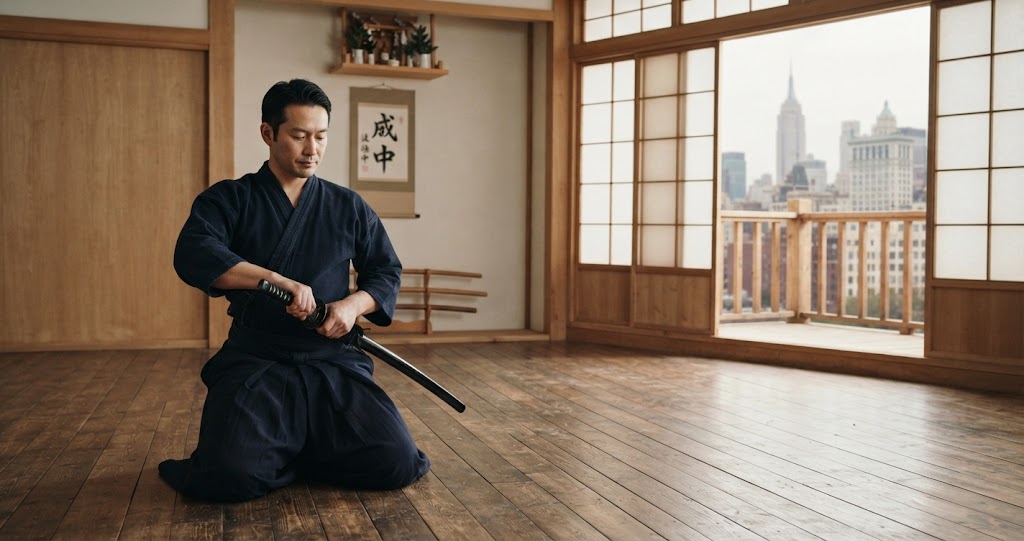
A search for Iaido Classes Near Me often begins with simple curiosity. Someone may have seen Japanese swordsmanship in a movie, read about samurai traditions, or already practice another martial art and want to explore something different.
But Iaido offers a distinctive training experience.
Rather than relying primarily on physical strength, Iaido places considerable emphasis on controlled movement. Students learn how to coordinate their posture, hands, feet, breathing, and attention. Even a seemingly simple movement can require considerable concentration and repetition.
For busy New Yorkers, that mental aspect can be particularly appealing.
Training can provide a structured break from the constant distractions of city life. Instead of rushing through a workout, practitioners must pay close attention to what they are doing. The objective is not simply to move faster or harder, but to develop greater control and awareness.
Iaido can also appeal to people who enjoy traditional Japanese culture. The etiquette, uniforms, terminology, movements, and dojo environment create an experience that is very different from a conventional gym session.
For beginners, the most important point is that Iaido does not require previous swordsmanship experience. A reputable dojo should provide appropriate instruction and progression for students who are completely new to the discipline.
What Is Iaido and What Makes It Different?
Iaido is a Japanese martial art associated with the controlled drawing and handling of the sword. Training traditionally involves practicing formal sequences known as kata, where students perform prescribed movements with careful attention to technique and form.
The practice is not simply about learning how to use a sword.
Students work on posture, footwork, coordination, awareness, timing, breathing, etiquette, and concentration. Repetition is an important part of the learning process because it allows movements to become increasingly precise and controlled.
This makes Iaido different from many modern combat-oriented martial arts.
Someone searching for Iaido New York may discover schools that emphasize traditional practice rather than competitive fighting. The atmosphere can be quiet and focused, with students learning to observe carefully and improve gradually.
The exact curriculum depends on the dojo and the Iaido tradition being taught. Some schools may teach particular Japanese swordsmanship systems or federations, so beginners should ask about the lineage, curriculum, instructor experience, and progression system before joining.
One of the most valuable aspects of Iaido is that progress is not always immediately visible. A beginner might spend considerable time refining basic posture or a single movement. Over time, however, those small improvements can produce much greater control and confidence.
From Shōgun to the Dojo: Separating Screen Fiction From Training
Popular entertainment can be an excellent introduction to Japanese history and culture, but it should not be confused with authentic martial arts instruction.
A television series such as Shōgun can inspire someone to research samurai history, Japanese traditions, or swordsmanship. That curiosity may eventually lead them to search for Iaido Classes Near Me.
The actual dojo experience is much more disciplined than most screen portrayals.
Traditional martial arts training involves repetition, etiquette, patience, and careful instruction. Students are generally not learning dramatic choreography designed for an audience. Instead, they are developing precise movements through structured practice.
This distinction is important for beginners because expectations can influence their experience.
Someone arriving at a dojo expecting cinematic sword battles may be surprised by how methodical Iaido training can be. That is not a weakness of the art—it is part of its character.
Iaido rewards patience.
The practice encourages students to focus on details that may initially seem small: maintaining proper posture, coordinating movements, controlling the sword, maintaining awareness, and completing each sequence with precision.
For people who enjoy the historical and cultural side of Japanese martial arts, this slower approach can actually become one of the most rewarding aspects of training.
Iaido New York and the Broader Martial Arts Community
New York City has a diverse martial arts community, making it possible for students to explore many different Japanese disciplines.
Someone researching Iaido New York may also come across Karate, Aikido, Judo, Kendo, and other traditional martial arts. Each discipline has its own philosophy, training methods, and goals.
For example, Shotokan Karate New York programs typically emphasize karate techniques, forms, movement, discipline, and physical conditioning. Iaido, by comparison, places a much stronger emphasis on formal swordsmanship kata and controlled sword-related movements.
That does not mean one is better than the other.
The right martial art depends on what a student hopes to learn.
Someone interested in striking techniques and karate training may find Shotokan particularly appealing. Someone fascinated by Japanese swordsmanship and highly structured kata may prefer Iaido. Others may eventually study more than one discipline.
This variety is one reason the city’s martial arts community can be so appealing to beginners.
When comparing Martial Arts Schools in New York City, students should look beyond flashy websites or impressive promotional videos. The instructor’s teaching style, the dojo’s atmosphere, class structure, safety practices, and overall culture are much more important.
How to Choose the Right Iaido Classes Near Me
Finding a nearby dojo is easy. Finding the right dojo requires a little more research.
Before committing to regular training, consider these factors:
1. Instructor Experience
Look for instructors who can clearly explain what tradition or organization they teach and how their training is structured.
A good instructor should be able to answer beginner questions without making newcomers feel uncomfortable.
2. Beginner-Friendly Classes
Ask whether beginners can start without previous martial arts experience.
You should also find out whether introductory classes are available and what equipment, if any, students need at the beginning.
3. Training Environment
Visit the dojo if possible.
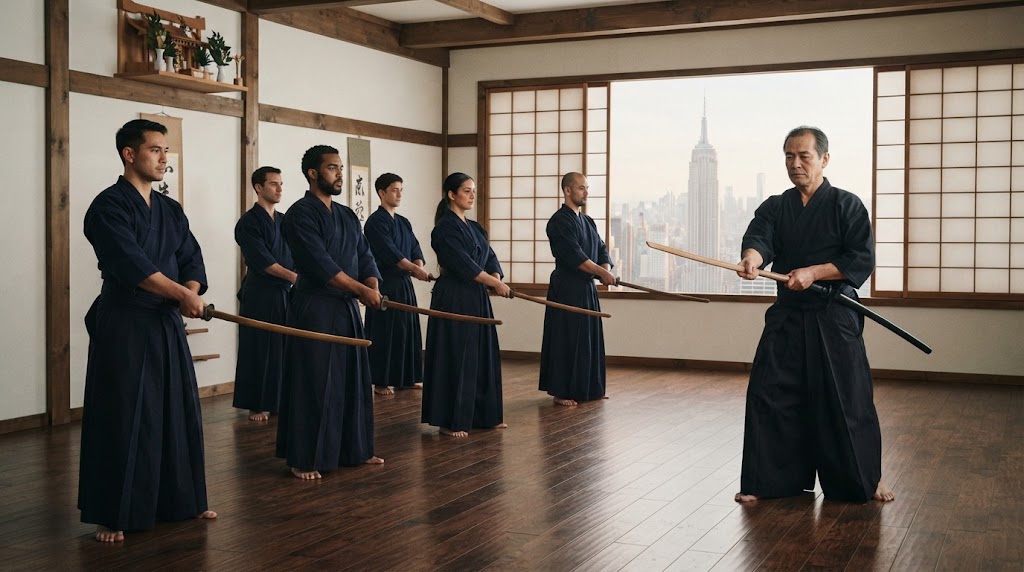
Observe how instructors communicate with students. Notice whether students treat one another respectfully and whether the atmosphere feels organized and focused.
4. Class Schedule
New York schedules can be hectic. Choose a dojo with class times that realistically fit your weekly routine.
Consistency matters more than choosing a school with an impressive schedule that you cannot maintain.
5. Safety and Equipment
Ask what training equipment beginners use and how students are introduced to sword-related movements.
Proper instruction and appropriate equipment should always be priorities.
6. Long-Term Learning
Iaido is a long-term practice. Ask about grading, seminars, advanced classes, and opportunities for continued learning.
The best choice is usually a dojo where you can imagine learning for years rather than simply attending a few sessions.
Practical Tips for Your First Iaido Class
If you are attending your first class after searching for Iaido Classes Near Me, preparation can make the experience much easier.
Wear comfortable clothing. Ask the dojo what clothing is appropriate for an introductory class. Many schools provide specific guidance for uniforms and training equipment.
Arrive early. Giving yourself extra time allows you to meet the instructor, understand dojo etiquette, and prepare without rushing.
Listen carefully. Iaido involves precise movements, so beginners should pay close attention to demonstrations and instructions.
Do not worry about being perfect. Everyone starts somewhere. Expect your first class to involve unfamiliar terminology and movements.
Ask questions. If you do not understand a movement or instruction, politely ask the instructor to explain it again.
Focus on consistency. Improvement comes from regular practice rather than trying to master everything during one class.
Respect dojo etiquette. Traditional martial arts place importance on respect, cleanliness, discipline, and appropriate behavior.
Most importantly, approach the experience with patience. Iaido is not something that needs to be mastered immediately.
Common Mistakes Beginners Should Avoid
Starting a martial art can be exciting, but beginners sometimes create unnecessary problems by approaching training with unrealistic expectations.
Expecting Movie-Style Sword Fighting
Iaido training is structured and technical. It is not designed to recreate action scenes from television or movies.
Focusing Only on Speed
Fast movements are not necessarily better movements. Beginners should prioritize accuracy, posture, control, and instructor guidance.
Buying Expensive Equipment Too Early
New students should ask their instructor what equipment is appropriate before purchasing anything. Training requirements vary between schools and levels.
Comparing Yourself With Advanced Students
Experienced practitioners may perform movements that look effortless because they have spent years developing their technique.
Your goal should be steady personal improvement.
Skipping the Basics
Basic posture, footwork, etiquette, and coordination form the foundation for more advanced practice. Trying to rush through them can slow progress later.
Choosing a Dojo Only Because It Is Close
Location matters, especially in New York City, but it should not be the only consideration. Instructor quality, training culture, schedule, and curriculum are equally important.
Iaido and Personal Development
Although Iaido is a martial art, many practitioners appreciate benefits that extend beyond physical movement.
The repeated practice of formal sequences requires concentration. Students must remember movements, maintain awareness, and perform techniques with control.
That can encourage patience and attention to detail.
The dojo environment can also introduce students to values such as discipline, respect, humility, and perseverance. These qualities are not unique to Iaido, but traditional martial arts provide a structured environment in which students can practice them regularly.
For someone living in a fast-moving city, this can be refreshing.
Instead of constantly switching between notifications, work, school, entertainment, and social media, training asks you to concentrate on the present activity.
That does not mean Iaido is a replacement for every other form of exercise or personal development. Rather, it offers a distinctive combination of physical practice, cultural tradition, and mental concentration.
Frequently Asked Questions About Iaido Classes Near Me
Is Iaido suitable for complete beginners?
Yes. Many dojos accept beginners without previous martial arts experience. Ask the individual school about its introductory process before attending.
Do I need to own a sword before starting Iaido?
Usually, beginners should not assume they need to purchase equipment immediately. Ask the instructor what equipment is appropriate for your level and whether the dojo provides or recommends training equipment.
Is Iaido the same as Kendo?
No. Although both are Japanese sword-related martial arts, their training methods and emphasis are different. Iaido focuses heavily on formal kata and controlled sword movements, while Kendo uses bamboo swords and protective armor for a different style of training.
Can children or teenagers learn Iaido?
Some dojos offer youth programs, while others focus primarily on adults. Parents should contact the specific school to ask about age requirements, supervision, and beginner classes.
Is Iaido physically demanding?
Iaido involves physical movement, posture, footwork, coordination, and repeated practice. The level of physical demand varies by school, curriculum, and individual training session.
How often should beginners train?
The ideal schedule depends on the student’s availability and the dojo’s program. Consistent practice is generally more useful than attending occasionally.
How do I find good Iaido Classes Near Me?
Start by searching for local dojos, then compare instructors, martial arts organizations, class schedules, beginner policies, training environments, and student reviews. Visiting a class or speaking with an instructor can help you decide whether the dojo is a good fit.
Conclusion
The growing interest in Japanese culture, traditional martial arts, and historical swordsmanship has encouraged more New Yorkers to explore disciplines beyond conventional fitness programs. For many people, that journey begins with a simple online search for Iaido Classes Near Me.
Iaido offers something distinctive: a structured practice built around precision, awareness, discipline, etiquette, and traditional Japanese swordsmanship.
The appeal is not about becoming a movie-style samurai. It is about learning a demanding traditional art one movement at a time.
Whether you discovered Iaido through Shōgun, have experience with Shotokan Karate New York, or are simply exploring Martial Arts Schools in New York City, taking an introductory class can be an excellent way to understand what the discipline is actually like.
The most important step is choosing a reputable dojo with experienced instruction, a respectful environment, appropriate safety practices, and a training schedule you can maintain.
If you have been searching for Iaido Classes Near Me, your next step does not have to be complicated: research local dojos, ask questions, observe a class when possible, and give yourself time to experience the art before making a long-term commitment.
fd one image promt write and wh