
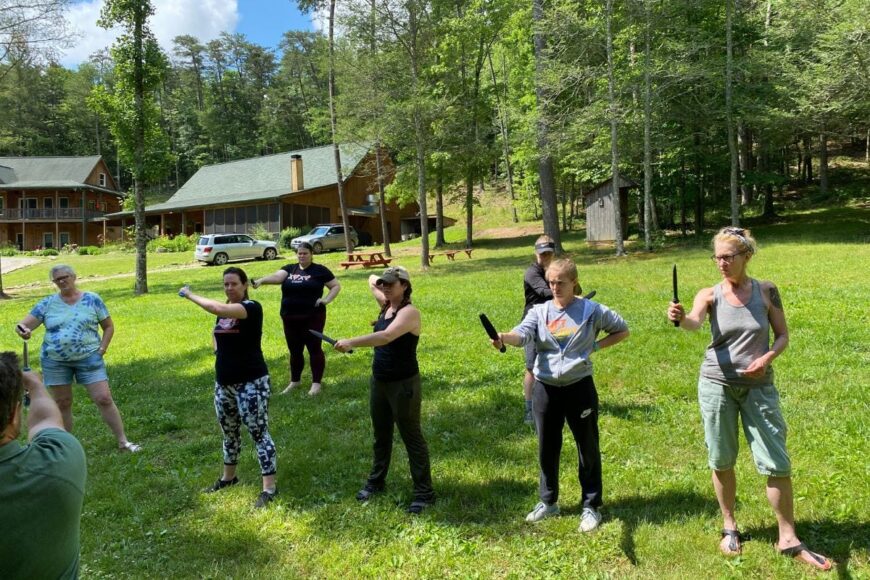
Women’s self-defense is not simply about learning how to throw a strong punch or escape a grab—it’s a comprehensive approach to personal safety, awareness, confidence, and empowerment. In a world where safety concerns remain a significant issue for women, self-defense training stands as a vital tool that equips women with the skills and mindset needed to protect themselves. From recognizing potential threats to executing effective physical techniques, self-defense helps women take control of their surroundings and feel prepared rather than fearful.
This article explores why women’s self-defense matters, the best types of women’s self-defense classes, the top courses for self-defense, and what to expect from basic self-defense training courses for women. Whether you’re new to the concept or considering joining a program, this comprehensive guide will help you make an informed and confident decision.
Why Women’s Self-Defense Matters
1. Rising Need for Personal Safety Awareness
Women worldwide face higher risks of harassment, assault, stalking, and domestic violence. While society works toward safer environments, learning self-defense serves as an immediate, practical layer of protection. Self-defense doesn’t guarantee immunity from danger, but it increases the chances of avoiding, escaping, or surviving a threatening situation.
Self-defense also teaches situational awareness—an essential skill that helps women identify suspicious behavior before it escalates. Awareness is often the first line of defense, sometimes even preventing an attack altogether.
2. Building Confidence & Mental Strength
One of the biggest benefits of self-defense training is increased confidence. Many women report feeling more in control of their lives after participating in self-defense classes.
Self-defense builds:
- Self-assurance
- Positive mindset
- Emotional resilience
- Improved decision-making under pressure
When women learn how to protect themselves physically, they also develop mental strength. This confidence spills into everyday life—work, travel, relationships, and social environments.
3. Practical Skills That Could Save Lives
Self-defense is not about aggression; it’s about survival. Women learn practical techniques that help them break free from holds, immobilize attackers, or escape dangerous scenarios.
These techniques include:
- Wrist grab escapes
- Bear-hug and choke defenses
- Ground escapes
- Pressure point applications
- Using everyday items as improvised weapons
Modern self-defense classes often incorporate real-life scenarios, teaching women how to react instinctively and effectively.
4. Promoting Independence and Empowerment
For many women, self-defense training becomes a transformational experience. It fosters independence by giving them the tools to rely on themselves during emergencies. This sense of empowerment can profoundly influence personal freedom—allowing women to travel, enjoy social activities, or go about daily tasks with greater security.
5. Enhancing Physical Fitness
Self-defense training doubles as an excellent workout. Many programs include cardio, strength training, flexibility exercises, and endurance-building routines.
Benefits include:
- Improved coordination
- Faster reflexes
- Better balance
- Increased stamina
- Stronger muscles
Women’s self-defense is, therefore, both a safety measure and a health booster.
What Are Good Women’s Self-Defense Classes?
Choosing the right self-defense class can significantly impact how effectively you learn and retain skills. Good women’s self-defense classes share several characteristics:
1. Technique-Focused Programs
These classes emphasize essential defensive moves that are simple, efficient, and easy to remember. Women should not have to rely on brute strength; effective techniques focus on leverage, momentum, and timing.
2. Scenario-Based Training
A good program trains women using realistic situations:
- street harassment
- parking lot confrontations
- home invasion scenarios
- public transportation threats
Practicing real-life scenarios helps students react naturally when under pressure.
3. Women-Only or Women-Centered Classes
Some women feel more comfortable learning self-defense in a women-only space. These classes often address gender-specific threats and teach defensive strategies designed for women’s physiology.
Women-centered classes also tend to:
- encourage open discussion
- create a supportive learning environment
- reduce intimidation
4. Certified and Experienced Instructors
Look for instructors with:
- martial arts credentials
- real-world self-defense experience
- trauma-informed training
- background in law enforcement or security (optional)
- strong communication skills
A trained instructor ensures both your safety and the quality of the training.
5. Programs That Teach Prevention and Awareness
Physical moves alone are not enough. Good self-defense classes include:
- boundary-setting techniques
- verbal de-escalation
- recognizing dangerous body language
- tips for avoiding risky situations
Prevention is always better than confrontation.
6. Progressive Training Levels
Beginners may start with foundational moves, while advanced trainees can practice more technical techniques. Good classes offer growth and continuity.
Which Course Is Best for Self-Defense?
There is no single “best” course—rather, several highly effective disciplines and systems work well for women’s self-defense. The best course depends on personal preferences, learning style, and physical capabilities.
Below are some of the most widely recommended self-defense courses:
1. Krav Maga
Best for: Real-world combat and self-defense
Strengths:
- Practical, fast, and aggressive techniques
- Teaches how to neutralize armed attackers
- Designed for survival, not sport
Krav Maga is one of the most recommended systems for women because it focuses purely on real-life situations.
2. Brazilian Jiu-Jitsu (BJJ)
Best for: Ground defense and escape
Strengths:
- Ideal for smaller defenders against larger attackers
- Uses leverage instead of strength
- Teaches escapes from chokes, pins, and holds
BJJ is especially valuable for women because many assaults end up on the ground.
3. Muay Thai or Kickboxing
Best for: Striking and physical fitness
Strengths:
- Builds strong punches, kicks, elbows, and knees
- Boosts stamina
- Enhances balance and reaction time
While not strictly self-defense systems, these arts enhance physical power and confidence.
4. Judo
Best for: Throws and takedown defense
Strengths:
- Focuses on using opponent’s energy against them
- Excellent for learning how to fall safely
- Great for leverage and balance
Judo is useful for stopping attackers and escaping grips.
5. Women’s Self-Defense Workshops (Short Courses)
Best for: Fast learning and practical skills
Strengths:
- Available in community centers, universities, police departments
- Short, affordable, and focused on real threats
- Ideal for beginners
These workshops are perfect for women who want essential skills quickly.
Basic Self Defense Training Courses for Women
A basic women’s self-defense course typically covers both mental and physical preparation. If you’re new to the concept, here’s what you can expect:
1. Awareness and Avoidance Techniques
Training begins with understanding how to stay alert and reduce risks. Topics include:
- identifying unsafe environments
- trusting your instincts
- using confident body language
- recognizing pre-assault cues
Many threats can be avoided simply through awareness.
2. Boundary-Setting Skills
Women learn how to communicate assertively and use strong verbal commands such as:
- “Back off!”
- “Stop!”
- “Don’t touch me!”
These tactics help de-escalate potentially dangerous situations.
3. Defensive Stances and Movement
A solid defensive stance helps maintain balance and readiness. Students learn:
- how to position their feet
- how to protect their head
- how to maintain distance
Footwork is crucial in any confrontation.
4. Strikes and Target Areas
Women are taught simple yet effective strikes aimed at vulnerable areas such as:
- eyes
- nose
- throat
- groin
- knees
The key is efficiency, not strength.
5. Escapes From Common Holds
Basic courses teach practical escapes from:
- wrist grabs
- bear hugs
- chokes
- hair grabs
- pinned positions
These moves help women break free and flee quickly.
6. Defense Against Ground Attacks
Women learn how to:
- prevent being pinned
- escape from mount positions
- create space and get back on their feet
Ground training is a crucial part of women’s self-defense.
7. Using Improvised Weapons
Everyday items can become lifesaving tools:
- keys
- bags
- pens
- phone
- umbrella
Courses teach legal, safe, and effective use of improvised weapons.
8. Stress Drills and Realistic Scenarios
These drills simulate real threats to test reaction time and build instinctive responses. By practicing under pressure, women develop automatic defensive habits.
Final Thoughts: Women’s Self-Defense Is an Investment in Safety and Confidence
Women’s self-defense is not about living in fear—it’s about living with confidence. Learning self-defense empowers women physically, mentally, and emotionally. It provides essential tools that help them navigate the world with greater freedom, self-assurance, and preparedness.
Whether through martial arts, Krav Maga, or a dedicated women’s self-defense workshop, every woman can benefit from understanding how to protect herself. Investing time in training could be one of the most valuable decisions a woman makes—for her safety, strength, and peace of mind.
If you are considering joining a program, explore different styles, attend trial classes, and choose one that aligns with your needs and comfort level. Self-defense is not just a skill; it is a lifelong asset.