Looking for a workout that gives you more than treadmill miles and dumbbell reps? Adult martial arts NYC programs deliver strength, mobility, confidence, and practical self-defense — all while plugging you into a community that keeps you showing up. Whether you want a high-intensity striking session, a sweat-soaked kickboxing hour, or technical grappling that tests your problem-solving under pressure, martial arts are fitness beyond the gym: functional, social, and endlessly adaptable.
This longform guide covers the benefits of adult martial arts, how to choose the right style and class in NYC, answers the common question “Is there an age limit for martial arts?”, and shows how to find the right dojo in Queens. If you’ve ever typed “martial arts near me” or searched “Adult martial arts NYC”, keep reading — you’ll get practical steps to find the perfect fit and feel confident walking into your first class.
Why adults choose martial arts over (or alongside) the gym
Martial arts are not just a hobby — they’re a multi-dimensional fitness system. Here’s what sets them apart:
- Functional strength and mobility — Martial arts train movement patterns you actually use: twisting, resisting, sprawling, and changing levels. That transfers directly to everyday activities and reduces injury risk.
- Cardio with a purpose — Rounds of pad work, partner drills, and sparring combine interval cardio with skill practice. You’re burning calories while learning something tangible.
- Balance, coordination, and flexibility — Kicks, throws, and ground transitions force you to coordinate body and mind in new ways, improving proprioception.
- Mental benefits — Focus, stress relief, improved sleep, and an immediate confidence boost are common outcomes of consistent training.
- Real-world self-defense — Beyond fitness, many adult students appreciate learning practical self-defense concepts and de-escalation awareness.
- Community and accountability — Dojos and gyms have social structures that help you stick with fitness in a way a solo gym routine often doesn’t.
These benefits explain why people across NYC are turning to adult martial arts as a core part of a healthy lifestyle. If you search for adult martial arts NYC, you’ll find a wide range of schools and formats — from traditional dojo classes to modern MMA and self-defense programs.
Popular styles for adults (and what each delivers)
When you search “martial arts near me”, you’ll likely see several styles offered. Here’s what each tends to emphasize so you can pick what aligns with your goals:
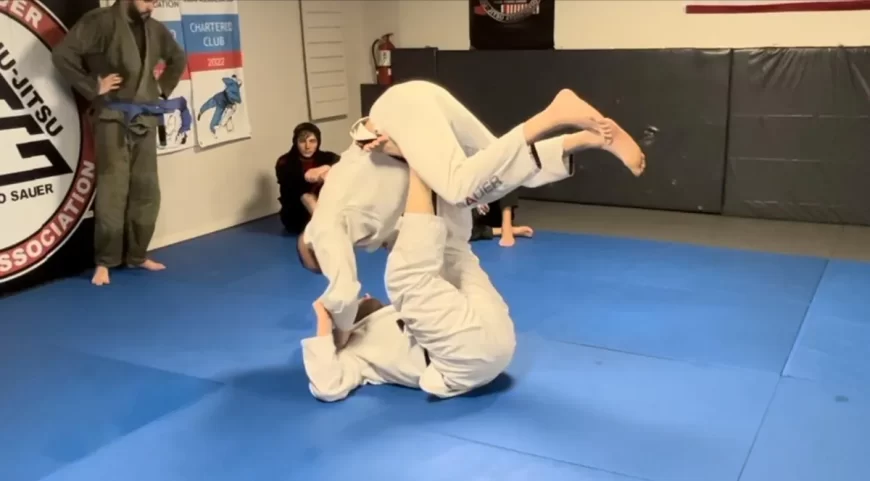
- Brazilian Jiu-Jitsu (BJJ) — Ground control, leverage, and submissions. Excellent for full-body conditioning, problem solving, and technical progression. Great if you enjoy close-contact, technique-driven training.
- Muay Thai / Kickboxing — Striking with punches, kicks, knees, and elbows. High calorie burn, great for striking fitness and stand-up self-defense.
- Mixed Martial Arts (MMA) — Blends striking and grappling. Intense, varied, and excellent cross-training.
- Krav Maga — Practical self-defense focused on real-world scenarios and simple, effective techniques.
- Karate / Taekwondo — Traditional striking and forms; can emphasize discipline, speed, and explosive power.
- Aikido / Judo — Throws, joint locks, and balance manipulation. Judo is especially useful for conditioning and learning how to fall safely.
- Kickboxing and Boxing — Great for cardio, rhythm, and improving upper-body strength and coordination.
NYC’s scene is diverse — boxers and grapplers, traditional dojos and modern studios — so you can try several styles and keep what sticks.
Is there an age limit for martial arts?
Short answer: No — there’s no universal age limit. People start martial arts in their 20s, 30s, 40s, 50s, and beyond. Many schools run adult classes that explicitly welcome beginners and older students. Training can be adapted to mobility, fitness level, and health restrictions.
A few practical points:
- Start with a health check — If you have major health issues (heart conditions, recent surgeries, uncontrolled hypertension, etc.), check with your doctor before beginning high-intensity classes.
- Choose the right class — Many dojos offer “adult beginners,” “masters,” or low-impact sessions for older adults. Picking the appropriate level reduces injury risk and speeds progress.
- Modify, don’t force — A good instructor will scale techniques, avoid risky high-impact drills, and emphasize technical work for longevity.
- Recovery matters — Older beginners may need longer warm-ups, more mobility work, and smarter recovery strategies (sleep, nutrition, mobility, cross-training).
- Experience varies — Starting later often brings emotional maturity and focus. Older beginners tend to train consistently and progress quickly in technical areas.
Research and experienced instructors confirm that with sensible precautions and the right coaching, martial arts are accessible at almost any adult age. Many schools and instructors specifically encourage adult newcomers.
How to decide: goals, style, and class structure
Before you Google “martial arts near me”, clarify these personal priorities. Your answers will make finding the right NYC program much faster:
- What’s your primary goal? (fitness, self-defense, competition, social connection)
- How intense do you want it? (sweaty striking vs. technical grappling vs. meditative practice)
- How much time can you commit? (2× per week vs. daily)
- Do you want structured belt progression or open drop-in classes?
- Are you sensitive to contact/injury? (choose technical or non-sparring tracks)
Once you know what you want, use these selection criteria when visiting dojos:
- Observe a class — How does the instructor teach (patient vs. drill-heavy)? Is the class welcoming to beginners? Do people of your age and body type train there?
- Ask about safety and scaling — Do they offer beginner or masters classes? How do they manage sparring and injuries?
- Coach credentials — Experience matters. Look for instructors with a track record of teaching adults, not just competition resumes.
- Trial class — Most quality schools allow one or two trial classes. Use them to test vibe, intensity, and commute.
- Community fit — The social side is huge. A supportive group makes training sustainable.
- Logistics — Location, schedule, price, and uniform/equipment expectations should fit your life.
These steps will help you find a place that suits both your body and lifestyle; NYC has options for every taste and schedule.
Queens NY Martial Arts Schools — Find the right dojo for you
Queens is one of the most diverse boroughs in NYC, and that diversity shows in its martial arts offerings. From community dojos to modern MMA gyms, Queens has a wide selection — you’ll find Jiu-Jitsu in Jackson Heights, Muay Thai in Astoria, traditional karate in Flushing, and more. Sites that aggregate local options list dozens of dojos across the borough.
Here’s a practical way to find your Queens dojo:
- Search smart: Use search terms like “Adult martial arts NYC”, “martial arts near me Queens”, or the style you want plus “Queens” (e.g., “BJJ Queens”). Aggregators and review sites (Yelp, local directories) can give quick lists and reviews.
- Shortlist 3–5 schools: Pick a mix — one technical (BJJ/Judo), one striking (Muay Thai/Kickboxing), and one hybrid (MMA/Krav Maga).
- Visit or watch a class: Dojos in Queens often post schedules and class videos; many now offer free or low-cost trial classes. Tiger Schulmann’s, local BJJ academies, and community dojos frequently run adult programs.
- Ask these questions when you visit:
- Do you have adult-only beginner classes?
- How do you handle sparring for new students?
- What’s the coach-to-student ratio?
- How are injuries handled?
- Are there alumni or local competitions if I’m interested?
- Look for red flags: Overly aggressive push to sign long contracts after one trial, poor cleanliness, or instructors who dismiss injury concerns are signs to walk away.
Example types of Queens schools (what to expect)
- Community Karate/Ju-dojo (traditional) — Often family oriented, structured belt systems, emphasis on technique and discipline. Good for steady progress and lower-impact training.
- BJJ academies — Technical, hands-on, and great for problem solving and full-body conditioning. Expect frequent partner drills and rolling (sparring) — but most gyms offer “no-gi” and beginner sessions.
- Kickboxing / Muay Thai gyms — Fast, cardio heavy, with lots of pad work and bag work. Ideal if you want a high-intensity hour.
- Hybrid MMA gyms — Mix of striking, wrestling, and Brazilian Jiu-Jitsu. Good if you want varied training and cross-discipline conditioning.
Examples you’ll find listed when searching Queens (check each site for current class offerings and adult-friendly options): Tiger Schulmann’s (Jackson Heights), local BJJ schools, and a number of traditional and modern dojos across neighborhoods such as Astoria, Jackson Heights, Flushing, and Jamaica. Always verify schedules and adult-specific classes before joining.
Practical advice for beginners
- Bring water and an open mind. The first class is about learning etiquette and basics; it will feel awkward but that’s normal.
- Start slow. Two to three classes per week is a good rhythm for steady progress and recovery.
- Do the mobility work. The small warm-up and stretching drills protect you more than any flashy technique.
- Document progress. Training is cumulative — keep a short log of what you learn and what you want to drill next time.
- Gear up when needed. Most striking gyms require gloves and shin guards eventually; grappling schools typically want a clean gi or no-gi shorts and a rashguard.
- Be patient with sparring. Sparring is a skill; focus on control and technique, not winning.